
Automation, artificial intelligence, and machine learning are rapidly changing how we work and live.
One of the most exciting areas of this transformation is robotics, where innovation is redefining roles across manufacturing, healthcare, logistics, and even space exploration.
With increasing demand for professionals in this field, now is the ideal time to explore robotics careers that align with the future of technology. This guide outlines ten highly promising robotics jobs that offer real-world impact you can pursue today.

Discover Technical Roles That Power Robotics Systems
Many of the most in-demand jobs in robotics involve creating the core systems that allow machines to move, think, and respond to their environments.
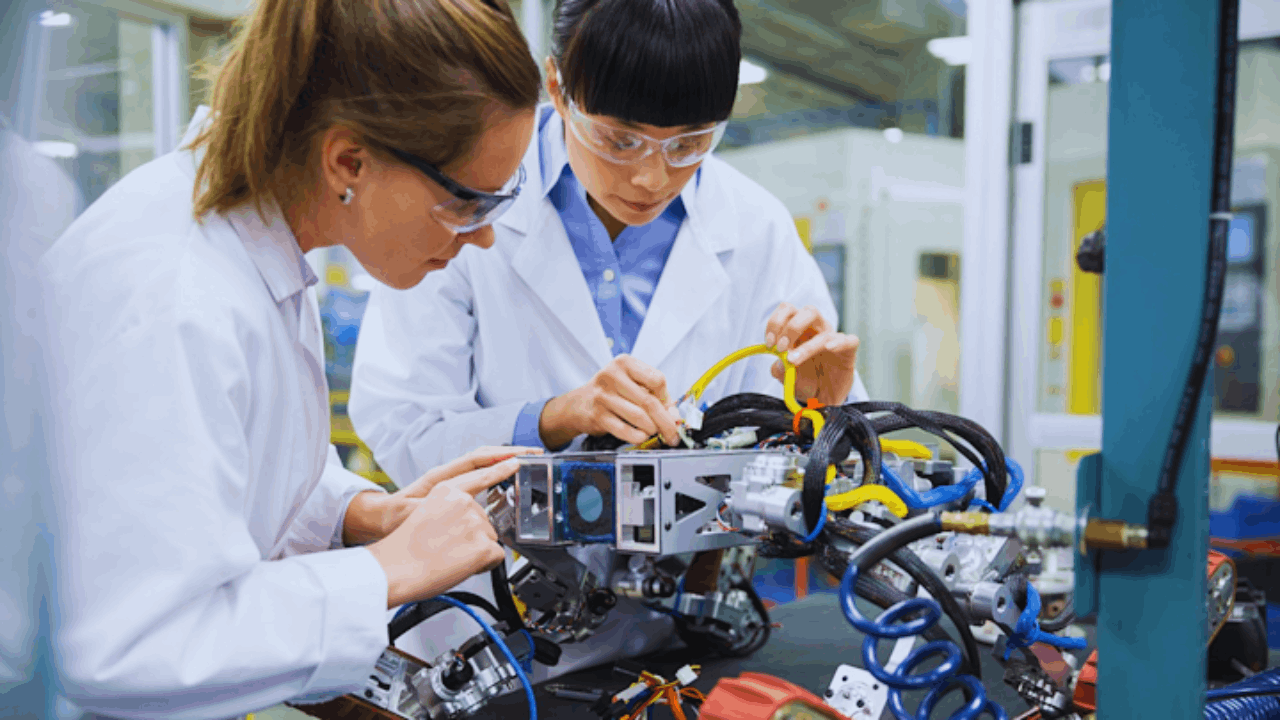
These careers focus on software, automation, and user interaction.
Robotics Software Developer
Robotics software developers create the code that drives robotic behavior, from navigation and object detection to decision-making. These professionals build algorithms using programming languages like Python, C++, or Java.
Their work often involves robotic operating systems, such as ROS, and may include the integration of machine learning or vision systems. Developers play a critical role in ensuring that robots function reliably in real-world environments.
Companies across the healthcare, logistics, and defense industries are actively hiring for this specialization.
Automation Engineer
Automation engineers focus on designing and maintaining robotic systems that perform repetitive or complex tasks with minimal human oversight.
They are responsible for integrating sensors, actuators, and control logic that allow robots to operate smoothly.
These engineers work closely with industrial equipment, programmable logic controllers, and robotic arms. The role is essential in manufacturing, where efficiency and precision are key performance indicators. A background in mechatronics or electrical engineering is often required.
Robotics UX Designer
As robots become part of everyday life, from homes to hospitals, ensuring smooth interaction between humans and machines is critical. UX designers in robotics focus on making systems intuitive and user-friendly.
They work on interface design, gesture control, and voice interaction to create seamless experiences.
This career blends psychology, human factors, and engineering to enhance safety and accessibility. Robotics UX is an emerging field with growing relevance across service, consumer, and assistive robotics.
Blend Robotics with Data, Security, and Strategy
Some roles in robotics require combining technical understanding with broader strategic, analytical, or protective responsibilities.

These careers support both the development and long-term success of robotic platforms.
Robot Data Analyst
Data plays a crucial role in robotics, as machines constantly generate feedback from sensors and cameras. Robot data analysts interpret this data to improve performance, reliability, and efficiency.
Their work involves machine learning, real-time analytics, and predictive modeling to fine-tune robot operations.
Analysts collaborate with engineers and developers to test improvements and monitor live systems. This role is ideal for individuals skilled in statistics, programming, and data visualization.
Robotics Cybersecurity Specialist
As robots are increasingly connected to networks and cloud platforms, they become vulnerable to cyberattacks. Cybersecurity specialists in robotics work to protect these systems from breaches, manipulation, or data theft.
This involves secure coding practices, encryption, access control, and vulnerability testing. The stakes are especially high in sectors like healthcare, defense, and autonomous vehicles.
Professionals in this role need to be well-versed in both IT security and the hardware/software stack of robotic systems.
Robotics Product Manager
Product managers in robotics oversee the entire lifecycle of robotic solutions—from idea to launch. They define features, manage development timelines, and coordinate between design, engineering, and marketing teams.
A successful robotics product manager understands technical constraints while also keeping user needs and business goals in focus. The role requires excellent communication and leadership skills.
Many come from engineering backgrounds but transition into this strategic function to guide innovation on a larger scale.
Enter Specialized Robotics Fields With Big Social Impact
Robotics is revolutionizing how we deliver services in agriculture, healthcare, and mobility.

These career paths allow you to work on projects that directly affect society’s most critical functions.
Medical Robotics Engineer
Medical robotics engineers develop advanced machines for surgery, diagnostics, and rehabilitation. Their work involves designing systems that improve precision, reduce risk, and enhance patient outcomes.
These engineers often collaborate with doctors and researchers to test and refine technologies in clinical settings. The field includes surgical robots, exoskeletons, and automated pharmacy systems.
This career blends biomedical engineering, robotics, and software development into one highly impactful role.
Agricultural Robotics Technician
The agriculture industry is turning to automation to boost productivity and reduce environmental impact. Robotics technicians in this sector install, monitor, and repair machines that plant, harvest, or analyze crops.
These systems may include autonomous tractors, drones, or irrigation robots. Technicians need a working knowledge of hydraulics, electronics, and mechanical systems.
As agritech grows, this role is critical to helping farmers manage labor shortages and improve sustainability.
Autonomous Vehicle Engineer
Autonomous vehicle engineers develop systems that enable robots and machines to navigate the physical world without human input.
Their work includes programming self-driving cars, delivery drones, and robotic rovers. These engineers specialize in sensor integration, object detection, GPS, and path-planning algorithms.
Testing and safety validation are also major parts of the job. Companies in transportation, logistics, and robotics startups are heavily investing in this role as mobility continues to evolve.
Support Robotic Systems in Real-World Settings
Once robots are deployed, they require ongoing setup, maintenance, and troubleshooting.
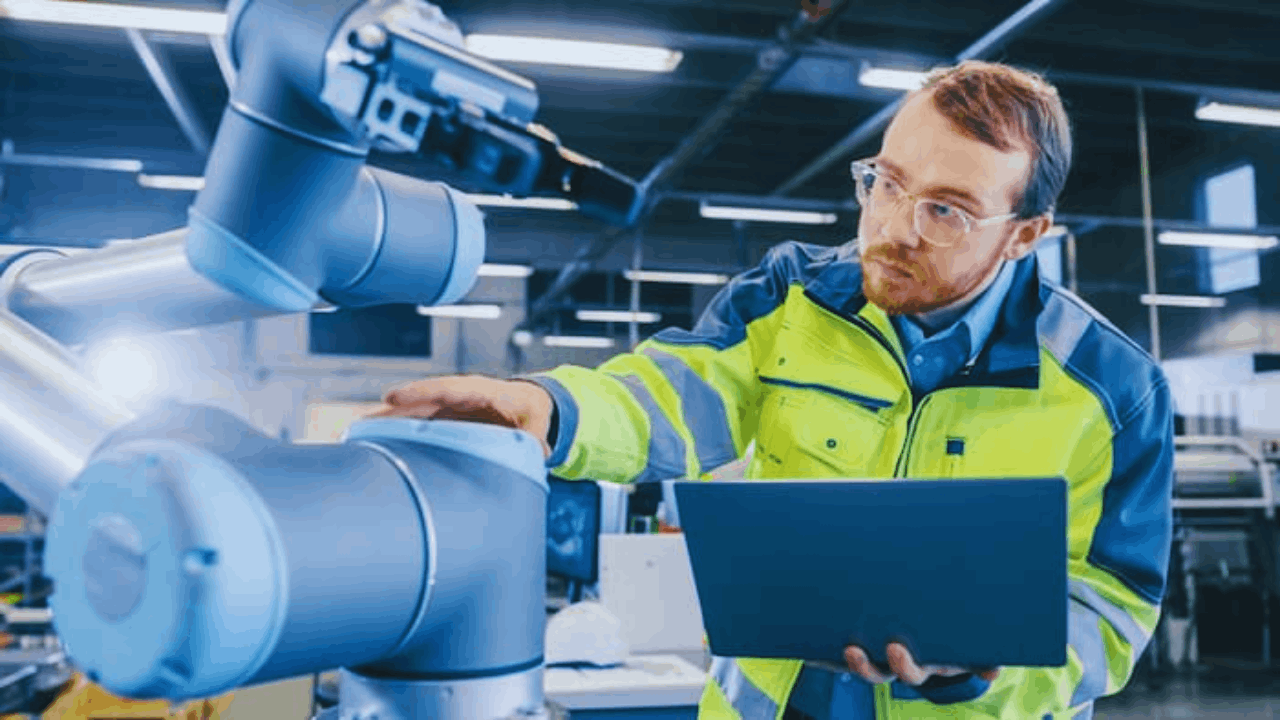
Field engineers and support specialists make sure these systems stay operational and efficient.
Robotics Field Service Engineer
Field service engineers work directly with customers to install and maintain robotic systems at manufacturing plants, hospitals, or logistics hubs.
They troubleshoot mechanical and software issues, conduct routine maintenance, and ensure machines operate within safety guidelines. This role demands strong technical knowledge and excellent problem-solving skills under pressure.
Travel is often required, as engineers go on-site to resolve system failures or assist in new deployments. It's a hands-on, vital career for keeping robotics infrastructure running smoothly.
Prepare for a Future Career in Robotics
The robotics field is broad, and getting started may seem complex at first.
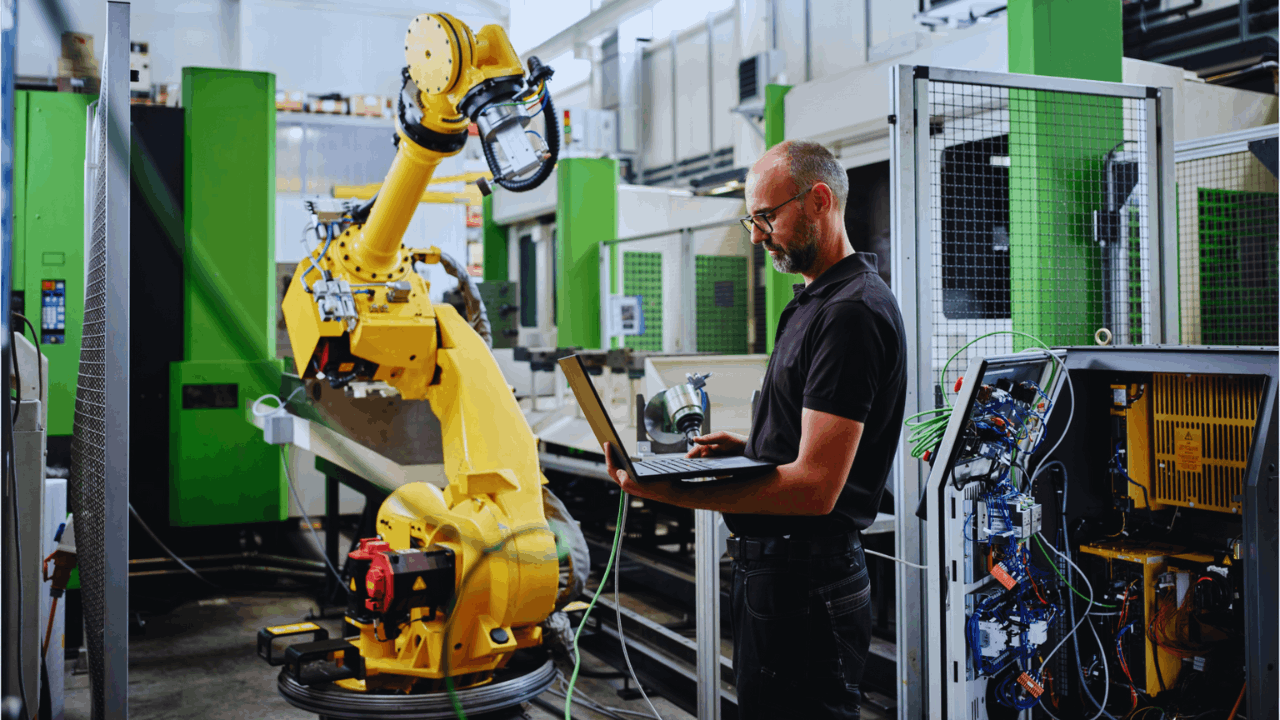
However, with the right preparation and mindset, you can build a successful and future-proof career in this high-demand industry.
Match Your Skills With the Right Role
Each robotics career requires a unique combination of skills. For example, those with a background in software development might thrive as robotics programmers or automation specialists.
Those who excel in interpersonal communication and organization could consider roles in product management or customer support.
If you enjoy working in real environments and solving mechanical problems, field engineering could be your best fit. Knowing your strengths will help narrow down the right path.
Build Hands-On Experience and Certifications
Robotics employers value candidates who demonstrate real-world problem-solving abilities. Participating in robotics competitions, joining open-source projects, or completing industry certifications can strengthen your profile.
Tools like ROS, MATLAB, SolidWorks, and embedded systems knowledge are often listed in job requirements.
Internships and apprenticeships also offer valuable exposure to professional tools and workflows. Learning by doing remains one of the fastest ways to grow in the field.
Stay Current With Technology Trends
Robotics is a constantly evolving industry, with advancements in AI, machine vision, edge computing, and cloud robotics appearing regularly.
To stay relevant, read industry news, follow thought leaders, and attend webinars or conferences. Joining communities like IEEE Robotics or online platforms such as GitHub and Stack Overflow can expand your knowledge base.
Continuous learning is essential in this fast-paced environment.
Conclusion
The future of work is being shaped by robotics, with new careers emerging that combine technical innovation, user experience, and social impact. Whether you're building control systems, improving human-robot interaction, or deploying autonomous vehicles, there's a robotics career path suited to your skills and interests.
If you're ready to explore the next phase of your professional life, the world of robotics careers is open, evolving, and full of promise. Now is the perfect time to take the first step.